

HOW TO BECOME THE
PERSON YOU WERE MEANT TO BE
YOUR LIFE CAN CHANGE WHEN THE WAY YOU SEE YOURSELF CHANGES

Have you ever wondered why you can know exactly what you want, yet somehow keep doing the things that take you further away from it? You may want greater confidence, success, love, financial freedom, better health or a completely different life. You may have read the books, listened to the podcasts, set the goals and promised yourself that this time things will be different. And yet, somehow, the same patterns keep returning. The same fears, the same self-doubt, the same relationship patterns, the same procrastination, the same feeling that you are capable of more, but something inside you keeps holding you back, what if the problem isn’t that you don’t know what to do?
What if the problem is who your subconscious mind believes you are?
This is where identity transformation becomes so powerful.
WHAT IS IDENTITY?
Your identity is the internal sense of who you believe you are. It is shaped by your experiences, memories, relationships, beliefs, environment and the meanings you have attached to what has happened to you. The problem is that these beliefs don’t simply remain thoughts. They can influence how you feel, what you expect, how you behave and what you consider possible. Your identity can therefore become a kind of internal blueprint for your life.
Over time, these experiences can create deeply held beliefs such as:

I’m not confident.
Money is difficult to make
I have to work hard for everything
I’m not the kind of person who succeeds
I always sabotage myself
This is just who I am
YOUR BRAIN LOOKS FOR EVIDENCE THAT YOUR IDENTITY IS TRUE
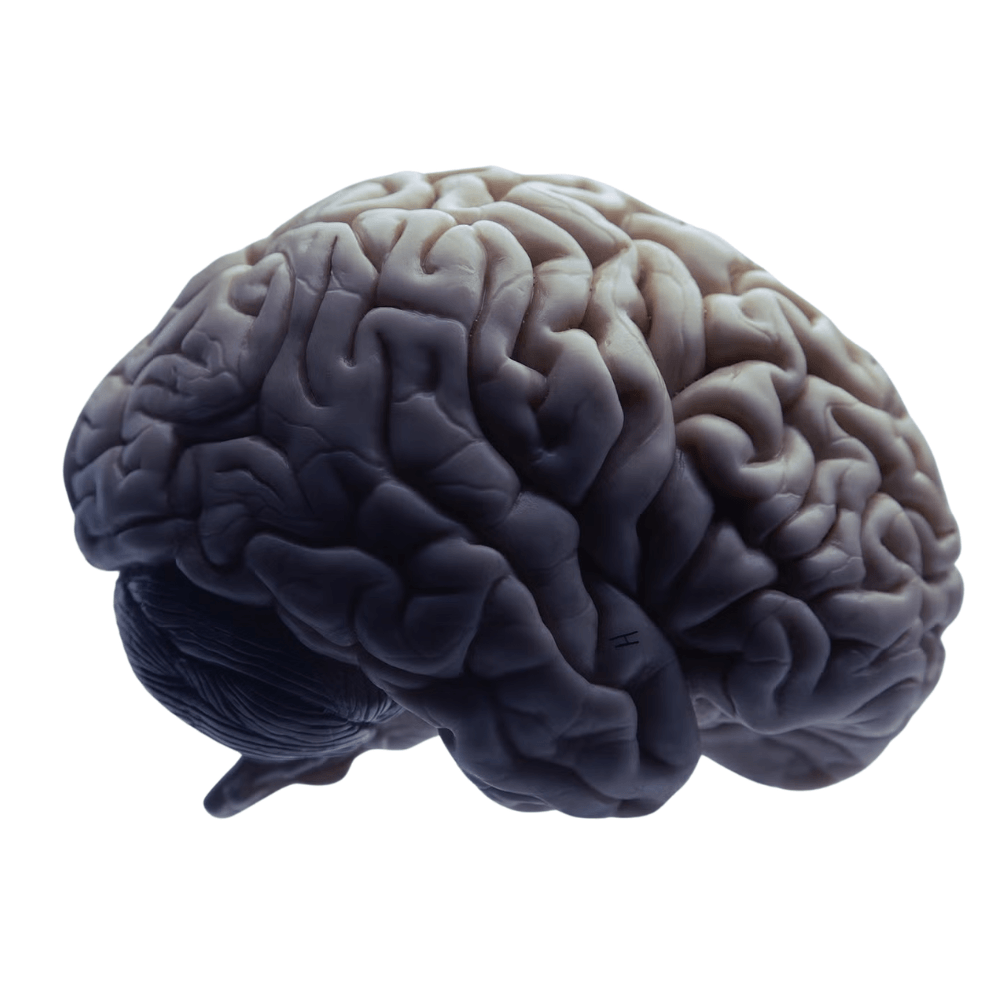
"The brain is constantly processing enormous amounts of information. To make sense of the world efficiently, it relies on existing patterns and expectations."
"If you believe you are not confident, you may notice every moment when you feel nervous while overlooking the times you were courageous.
If you believe relationships always end badly, you may become highly alert to signs of rejection.
If you believe you are destined to struggle financially, opportunities may feel uncomfortable or even threatening rather than exciting"
This does not mean that you consciously choose these experiences. It means your existing beliefs can influence what you notice, how you interpret situations and how you respond to them. Your brain isn’t necessarily showing you reality exactly as it is. It is interpreting reality through the patterns it has learned.
THE DIFFERENCE BETWEEN CHANGING YOUR BEHAVIOUR & CHANGING YOUR IDENTITY
This is one of the most important distinctions in personal transformation. You can force yourself to behave differently for a while.
You can tell yourself to be confident.
You can create affirmations.
You can set goals.
You can push yourself harder.
But if your deeper identity remains unchanged, the old behaviour often returns. For example:
You may start a new business while subconsciously believing that you are not capable of being successful. You may enter a healthy relationship while secretly believing that you are unlovable. You may try to become financially abundant while carrying a deep belief that money is unsafe or that successful people are selfish. You may desperately want change while another part of you is trying to keep you exactly where you are because that is where it feels safe. This is why lasting transformation often requires more than changing behaviour. It requires changing the internal identity from which the behaviour comes.
Why We Often Return to What Feels Familiar
The human brain is designed to predict and protect. Familiar does not always mean healthy. It simply means known. Sometimes people remain in unhealthy relationships, repetitive emotional patterns, self-sabotaging behaviours or limiting circumstances because, at a subconscious level, those experiences are familiar.
Even positive change can feel uncomfortable when it takes us outside the identity we have known for years. Imagine someone who has spent their entire life believing they must struggle. Suddenly, opportunities begin appearing. Instead of feeling comfortable, success may create anxiety.
They might procrastinate.
They might find reasons to stop.
They might create unnecessary problems.
They may even unconsciously return to the circumstances they were trying to escape.
This can look like self-sabotage. But sometimes what appears to be self-sabotage is actually the brain attempting to return to what feels familiar and predictable.

Your Past Can Shape Your Identity — But It Doesn’t Have to Define It
Our early experiences can have a profound influence on the beliefs we develop about ourselves and the world
The way we were spoken to.
The expectations placed upon us.
The approval or criticism we received.
The relationships we experienced.
The moments when we felt rejected, abandoned, unseen, unsafe or not good enough.
All of these experiences can contribute to the story we create about ourselves. And once that story becomes familiar, we may stop questioning it. We simply call it “me.”
But there is a difference between:
"Who you learned to be and who you are capable of becoming"
That difference is the beginning of identity transformation.
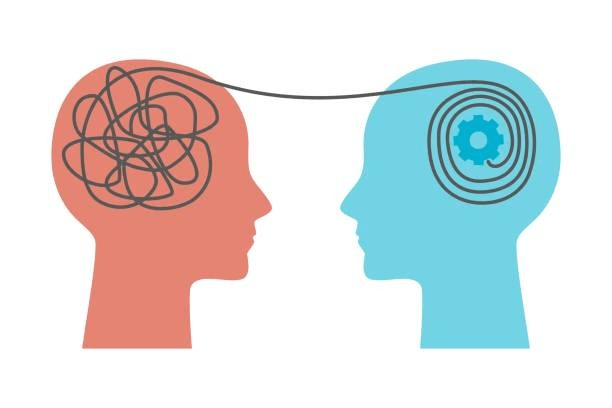
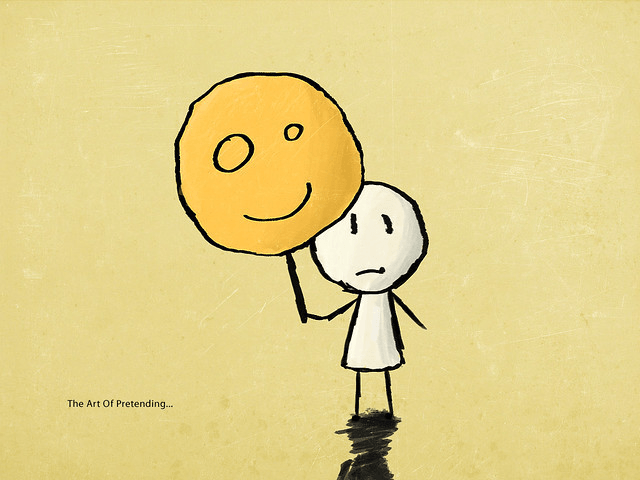
Identity Transformation Is Not Pretending to Be Someone Else
Identity transformation is not about creating a fake version of yourself.
It isn’t about repeating positive statements while ignoring the emotions underneath them.
It isn’t about pretending that your past didn’t happen.
And it certainly isn’t about blaming yourself for the patterns you developed.
It is about understanding why you became who you became—and consciously deciding what you want to keep and what you are ready to change.
The goal isn’t to erase your past.
It is to stop allowing your past to automatically control your future.
Who do I believe I am allowed to become?
If your conscious goal is success but your subconscious identity is built around inadequacy, fear or unworthiness, you may repeatedly encounter internal resistance.
This is why two people can have the same opportunity and respond completely differently.
One sees possibility.
The other sees danger.
One feels worthy of receiving.
The other feels uncomfortable being seen.
One expects themselves to succeed.
The other waits for something to go wrong.
The difference may not be intelligence, ability or opportunity.
It may be identity.
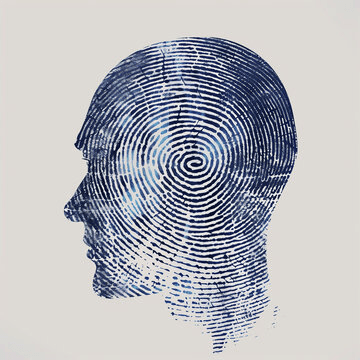
Identity & Self-Esteem
Your sense of identity is closely connected to your self-esteem and confidence.
If you repeatedly tell yourself that you are not capable, your brain receives that message again and again. Over time, the belief can become automatic.
But the reverse can also happen.
When you begin creating new experiences of competence, courage, self-respect and safety, you can begin developing a different internal model of yourself.
Confidence doesn’t always appear before action. Sometimes confidence is created through action.
Every time you respond differently, you give your brain new evidence about who you are.
You Don’t Have to Become Someone Completely Different
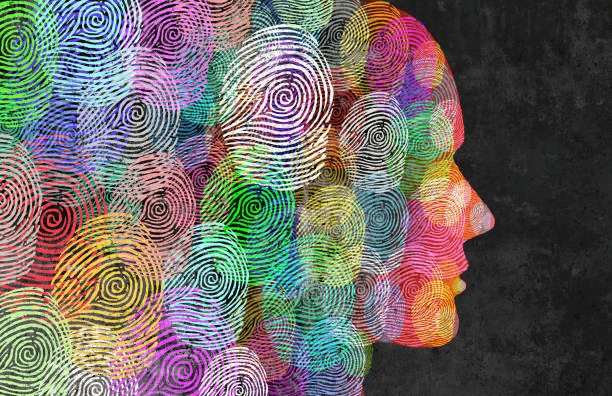
Identity transformation isn’t about becoming somebody else. It is about becoming more fully yourself.
The version of you that exists beneath the fear.
Beneath the conditioning.
Beneath the limiting beliefs.
Beneath the expectations of other people.
Beneath the old stories.
There may be parts of you that have been waiting for permission to emerge for years.
More confident.
More peaceful.
More courageous.
More authentic.
More connected.
More successful.
More alive.

HOW THE NEUROREINVENT METHOD®
SUPPORTS IDENTITY TRANSFORMATION
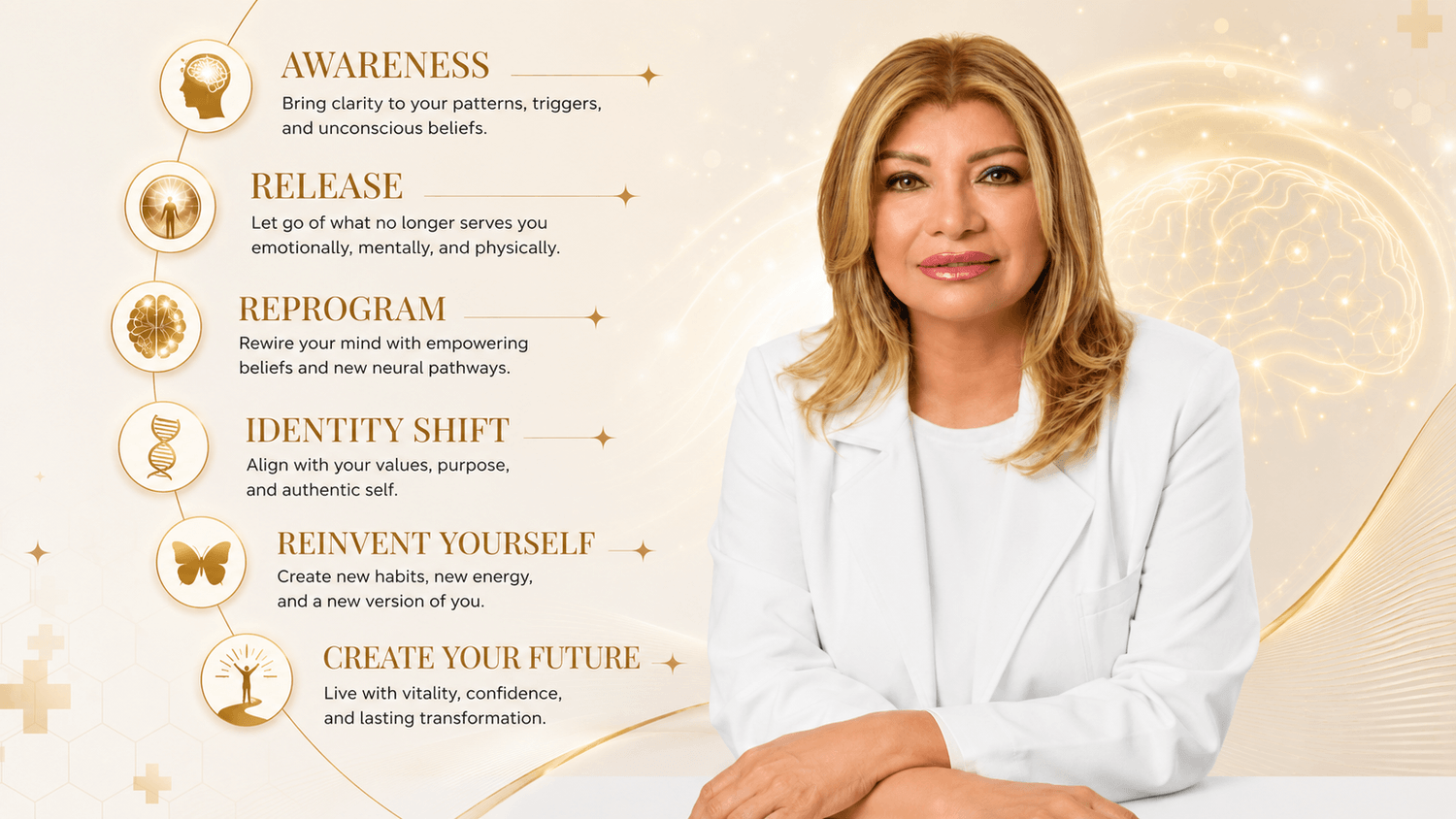
How the NeuroReinvent Method® Supports Identity Transformation
The NeuroReinvent Method® is built around the understanding that lasting personal transformation involves more than changing conscious thoughts.
It involves exploring the deeper emotional and subconscious patterns that influence how we see ourselves, how we respond to life and what we believe is possible for us.
Drawing on neuroscience, Neuro-Linguistic Programming (NLP), Biodecoding, emotional reprogramming and mind-body approaches, the NeuroReinvent Method® helps individuals explore the patterns beneath recurring behaviours and emotional responses.
The process can help you:
Recognise limiting beliefs and subconscious patterns.
Understand where certain emotional responses may have originated.
Challenge the identity you have unconsciously created.
Develop greater self-awareness.
Build healthier emotional and behavioural patterns.
Strengthen self-esteem and confidence.
Create a more empowering relationship with yourself.
Move towards a future that is not dictated by your past.
The objective is not to become a completely different person.
It is to create the freedom to choose who you become.
Your Identity Can Become
Your Greatest Transformation
Perhaps you’ve spent years trying to change your circumstances. Maybe you’ve changed jobs.
Changed relationships.
Changed locations.
Changed routines.
Changed goals.
And yet something still feels the same. Sometimes the deepest transformation doesn’t begin with changing what is around you. It begins with changing what is happening within you.
Because when your internal identity changes, your choices can change.
When your choices change, your behaviours change.
When your behaviours change, your experiences can change.
And when your experiences change, your life can begin to look very different.
Your past may have influenced who you became.
But it does not have to determine who you become next.
Begin Your NeuroReinvent Journey,
If this article resonates with you, you may be recognising patterns that go deeper than the symptoms themselves.
The NeuroReinvent Method® helps you with:
Depression & Anxiety
Unlock your Prosperity
Unhealed Grief
Renew your Love Life
Overcome Fear
Mental Clarity
Stress & Burnout
Emotional Time Machine
Break Free from Chronic Pain
Dream Therapy
Unlock your Self-Esteem & Confidence


YOUR SYMPTOMS MAY BE YOUR BODY'S WAY OF COMMUNICATING
THE QUESTIONS IS:
"ARE YOU READY TO UNDERSTAND THE MESSAGE BEHIND THEM?"
Written by Nidya Caro
Founder of the NeuroReinvent Method®
Nidya Caro specialises in neuroscience-based transformation, NLP, Biodecoding and subconscious reprogramming, helping individuals understand and transform the emotional and neurological patterns that influence their lives.
Ready to start changing your Life?
Reprogram Your Mind.
Heal Emotional Blocks.
Reinvent Your Identity.
Transform Your Future.
Trust that you’re in the right place. I regularly offer 30-minute Mental Clarity sessions with no commitment. Limited spots available.
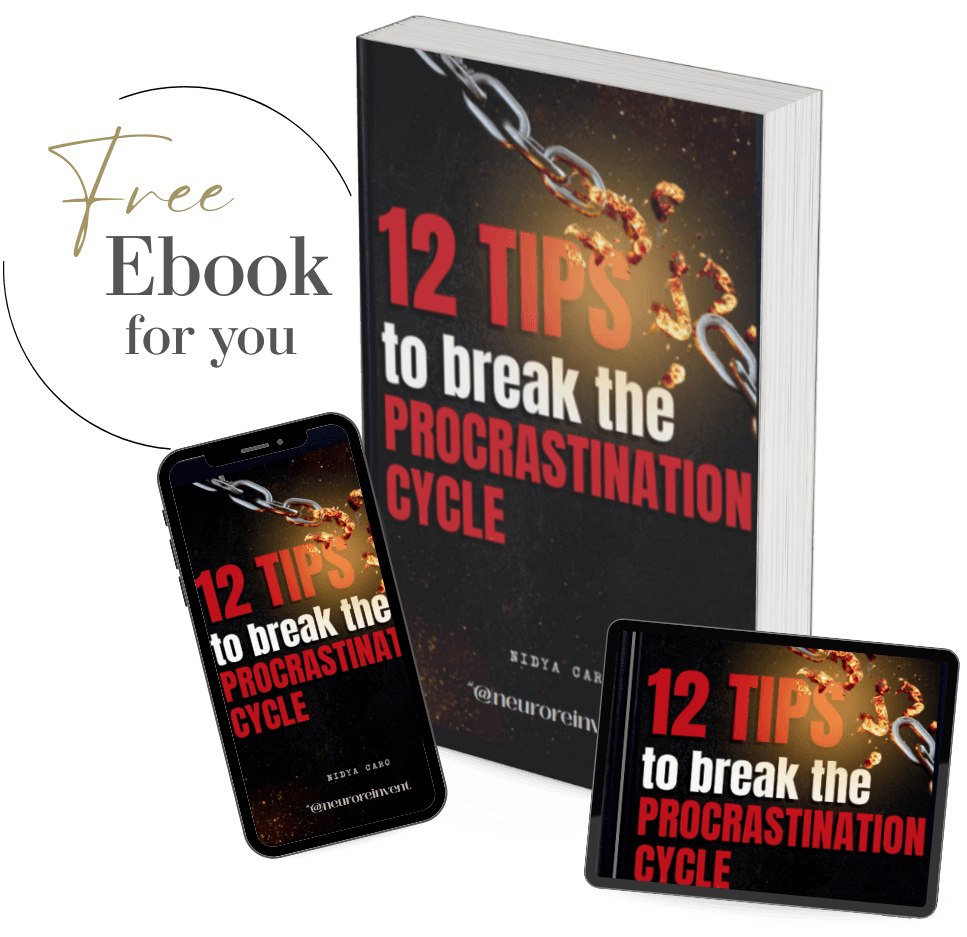
Subscribe & Get Your
Free E-Book
Get your Free Ebook: 12 Proven Neuroscience Tips to Break the Cycle of Procrastination — and start transforming your habits, sharpening your focus, and creating the life you truly desire. Instant Download.