


You worked hard to get here.
You earned the promotion.
Built the business.
Took on more responsibility.
Started leading people.
Became the person others rely on.
And yet, inside, part of you still feels uncertain.
You may look capable to everyone around you, but privately you still question yourself. You overthink decisions. You prepare excessively. You feel pressure to prove you deserve your position. You worry that one mistake might expose you.
And no matter how much you achieve, the feeling of fully belonging in leadership still does not settle.
Leadership self-doubt does not only affect inexperienced people.
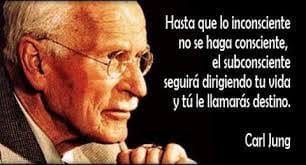
It can affect intelligent, capable, high-functioning people who are already performing well. On the outside they may appear strong and accomplished. On the inside they may still be operating from an older identity — one shaped by fear, self-protection, over-proving or the need for approval.
That is why external success does not always create internal confidence.
Sometimes the role changes before the identity does.
And when that happens, a person can step into leadership while still carrying beliefs such as:
- Who am I to lead?
- I need to prove I belong here.
- If I make a mistake, people will realise I am not enough.
- I cannot relax — I have to keep performing.
- If I let go of control, everything could go wrong.
This is where the NeuroReinvent® Method becomes deeply relevant.
Because leadership confidence is not only about learning better strategies.
What Leadership Self-Doubt Really Looks Like
Leadership self-doubt is not always obvious.
It does not always look like nervousness or insecurity on the surface.
Sometimes it looks like:
- over-preparing for every meeting
- finding it difficult to delegate
- needing reassurance before making decisions
- avoiding visibility or high-stakes conversations
- over-controlling details
- feeling uncomfortable with authority
- comparing yourself constantly with others
- perfectionism disguised as professionalism
- feeling that you always need to do more to prove yourself
- struggling to feel settled even after success
Some of these behaviours can become protective strategies around an older internal identity.
Why Successful Leaders Still Feel Like They Do Not Belong
Many people assume confidence should automatically increase as success increases.
But success can also expose identity gaps.
You can become more visible before you feel ready.
You can be promoted before you feel comfortable with authority.
You can lead others while still questioning yourself.
You can achieve externally while carrying internal beliefs formed much earlier.
That is why capable leaders can sometimes feel as though they are acting the part rather than fully embodying it.
If part of you still believes worth must be earned through constant performance, leadership may begin to feel less like a position of authority and more like a test you have to keep passing.
And that becomes exhausting.