

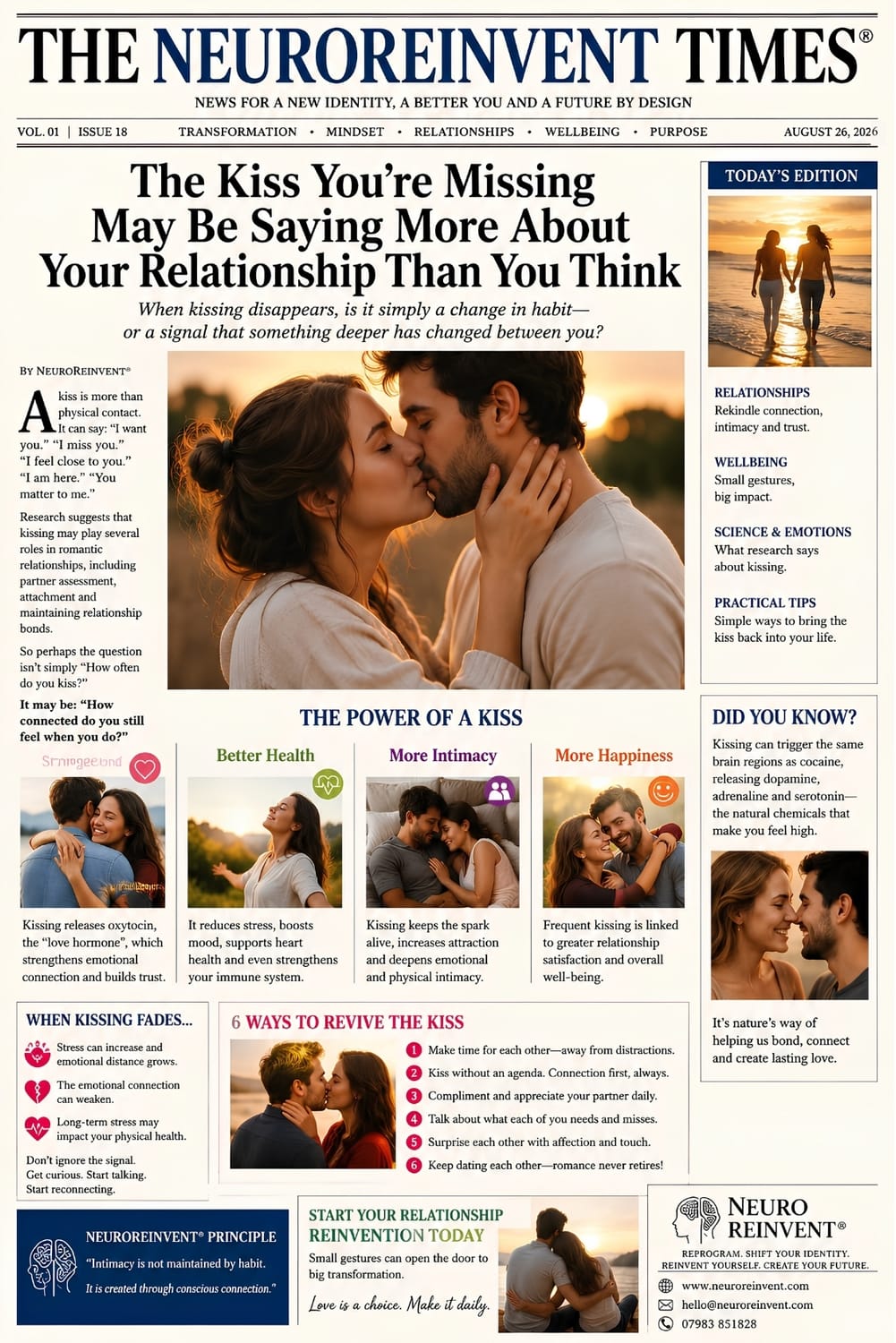
THE KISS YOU’RE MISSING MAY BE SAYING MORE ABOUT YOUR RELATIONSHIP THAN YOU THINK
WHEN KISSING DISAPPEARS, IT IS SIMPLY A CHANGE IN HABIT - OR A SIGNAL THAT SOMETHING DEEPER HAS CHANGED BETWEEN YOU

There is a moment in many relationships that nobody talks about.
You still live together.
You still talk about the children, work, dinner and bills.
You still say “goodnight.”
But somewhere along the way, the kiss changed.
The passionate kisses became quick pecks.
Then the pecks became occasional.
And eventually, you realise that you and your partner can go days — sometimes weeks — without really kissing.
Nothing dramatic happened.
And yet, something feels different.
That is where we need to pay attention.
A KISS IS MORE THAN PHYSICAL CONTACT
Kissing is one of the most intimate forms of non-verbal communication. And interestingly, research suggests that kissing may play several roles in romantic relationships, including partner assessment, attachment and maintaining relationship bonds. Studies have also found associations between kissing frequency and relationship and sexual satisfaction.
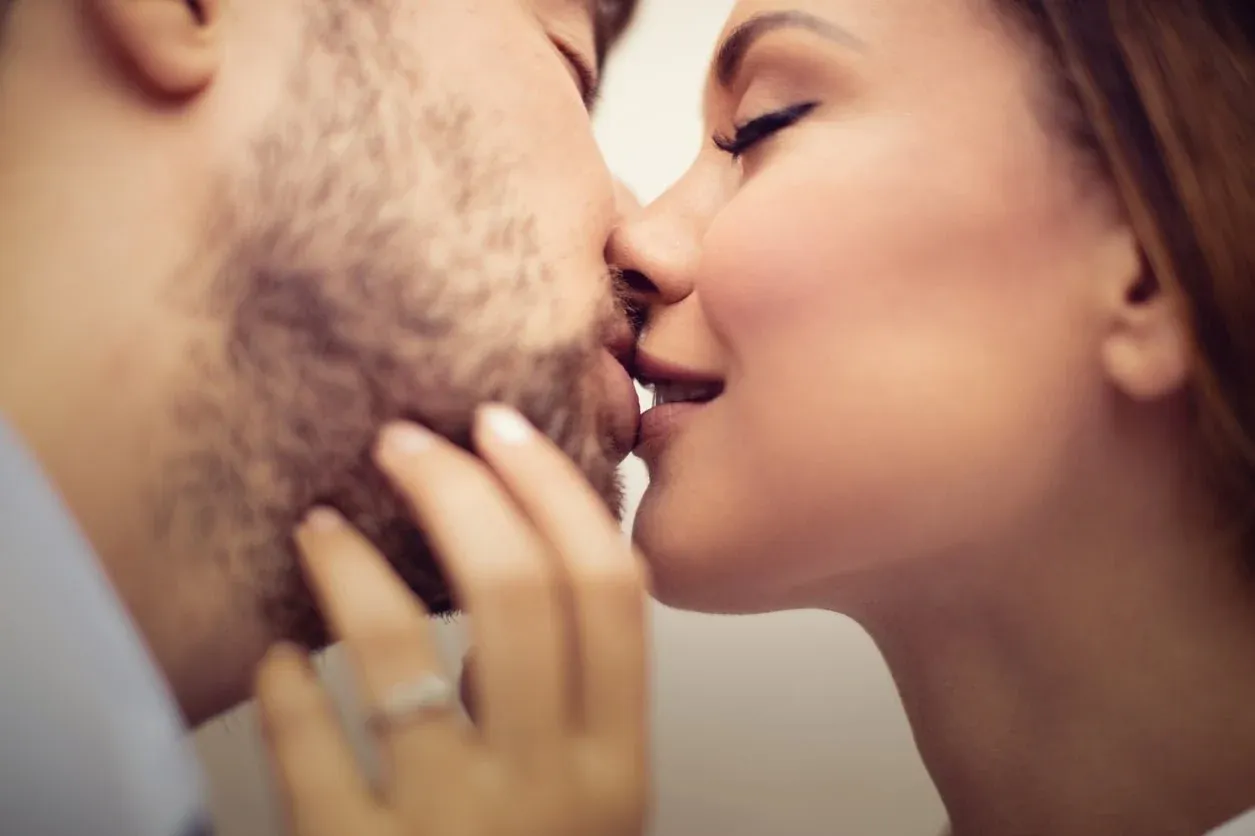
It can say:
“I want you.”
“I miss you.”
“I feel close to you."
“I am here.”
“You matter to me.”
So perhaps the question isn’t simply:
“How often do you kiss?”
It may be:
“How connected do you still feel when you do?”a
THE BIOLOGY OF A KISS

When we kiss, we’re not just moving our lips.
We’re engaging a complex network of sensory, emotional and physiological processes.
Touch, smell, taste, anticipation and emotional meaning all come together.
Affectionate physical contact can influence how connected we feel to another person, and research on romantic relationships consistently links affectionate behaviours with relationship quality.
This is one reason a kiss can feel completely different depending on who is kissing you, how you feel about them and what is happening inside the relationship.
The same physical act can communicate love in one relationship — and obligation in another.
What happens when the kissing stops?
Sometimes nothing.
People have different preferences, different cultures and different levels of desire.
But sometimes a reduction in physical affection is accompanied by something else:
Emotional distance
Unresolved resentment
Loss of desire
Routine replacing intimacy
Feeling unseen
Constant stress
Or simply becoming “housemates” rather than lovers
Research has found associations between kissing and relationship satisfaction, but we should be careful about assuming that lack of kissing causes relationship problems.
It can also be a signal of what is already happening in the relationship.
And that distinction matters.
The NeuroReinvent™ Question
At NeuroReinvent™, we are interested not only in what people do, but in the meaning they attach to what they do.
So instead of asking:
“Why aren’t we kissing anymore?”
Try asking:
“What changed between us?”
And then go deeper.
When did I first notice the distance?
What am I feeling that I haven’t communicated?
What do I miss?
What have I stopped asking for?
What have I stopped giving?
Am I still showing my partner love in the way they
actually experience it?

Love is not Always spoken in the same Language
Two people can love each other deeply and still feel unloved.
Why?
Because we don’t all experience affection in the same way.
One person may crave physical touch.
Another may need quality time.
Another may experience love through words, acts of care or thoughtful gestures.
The important lesson isn’t to become obsessed with a particular “love language” label.
It is to become curious about your partner’s experience of love.
Ask them:
“What makes you feel most loved by me?”
And then listen without defending yourself.
That conversation alone can reveal more than an argument ever will.

KISSING AND SEX ARE NOT THE SAME THING
This is important.
A kiss doesn’t have to lead to sex.
In fact, couples can benefit from deliberately separating affection from sexual expectation.
A kiss in the kitchen.
A kiss before leaving for work.
A long kiss when you haven’t seen each other all day.
A kiss simply because:
“I love you.”
Research on affectionate behaviour also suggests that non-sexual affection and post-sex affection are associated with sexual and relationship satisfaction.
Intimacy doesn’t always need an agenda.
Sometimes intimacy is simply presence.
And what about Biodecoding? Within some biodecoding approaches, physical symptoms are interpreted through emotional conflicts or symbolic meanings. This can be used as a reflective lens for exploring personal experience — but it should not be presented as established medical science or as a substitute for medical diagnosis or treatment. For example, if someone notices that they have become emotionally withdrawn, they might explore:
“What am I no longer allowing myself to express?”
That question can be valuable without claiming that a particular physical symptom was caused by an unresolved emotional conflict.
At NeuroReinvent™, the emphasis is on awareness, reflection and meaning, while maintaining appropriate professional boundaries around health and medical care.
Reviving the KISS
You don’t necessarily need a dramatic relationship intervention. Sometimes you begin with something surprisingly simple.
Put the phone down.
Look at each other.
Touch without an agenda.
Kiss without expecting sex.
Ask your partner what they miss.
And perhaps most importantly:
Talk about what has changed.
Because sometimes the kiss isn’t the problem.
The silence around the kiss is.
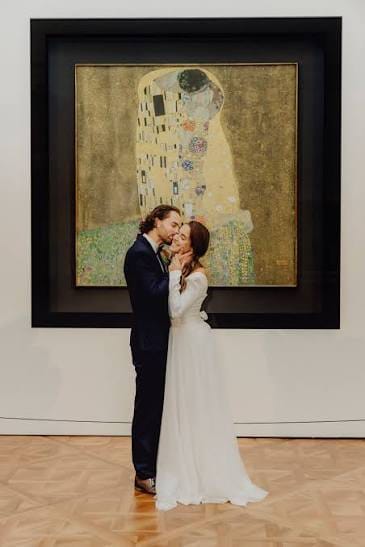
A 60-second NeuroReinvent™ relationship check-in
Tonight, ask your partner these three questions:
“Do you feel close to me at the moment?”
“Is there anything you miss about us?”
“What could I do that would make you feel more loved?”
Don’t interrupt.
Don’t explain.
Don’t defend.
Just listen.
Because rebuilding intimacy often begins with something more powerful than a kiss:
Feeling safe enough to tell the truth.

HOW THE NEUROREINVENT METHOD®
SUPPORTS RELATIONSHIPS
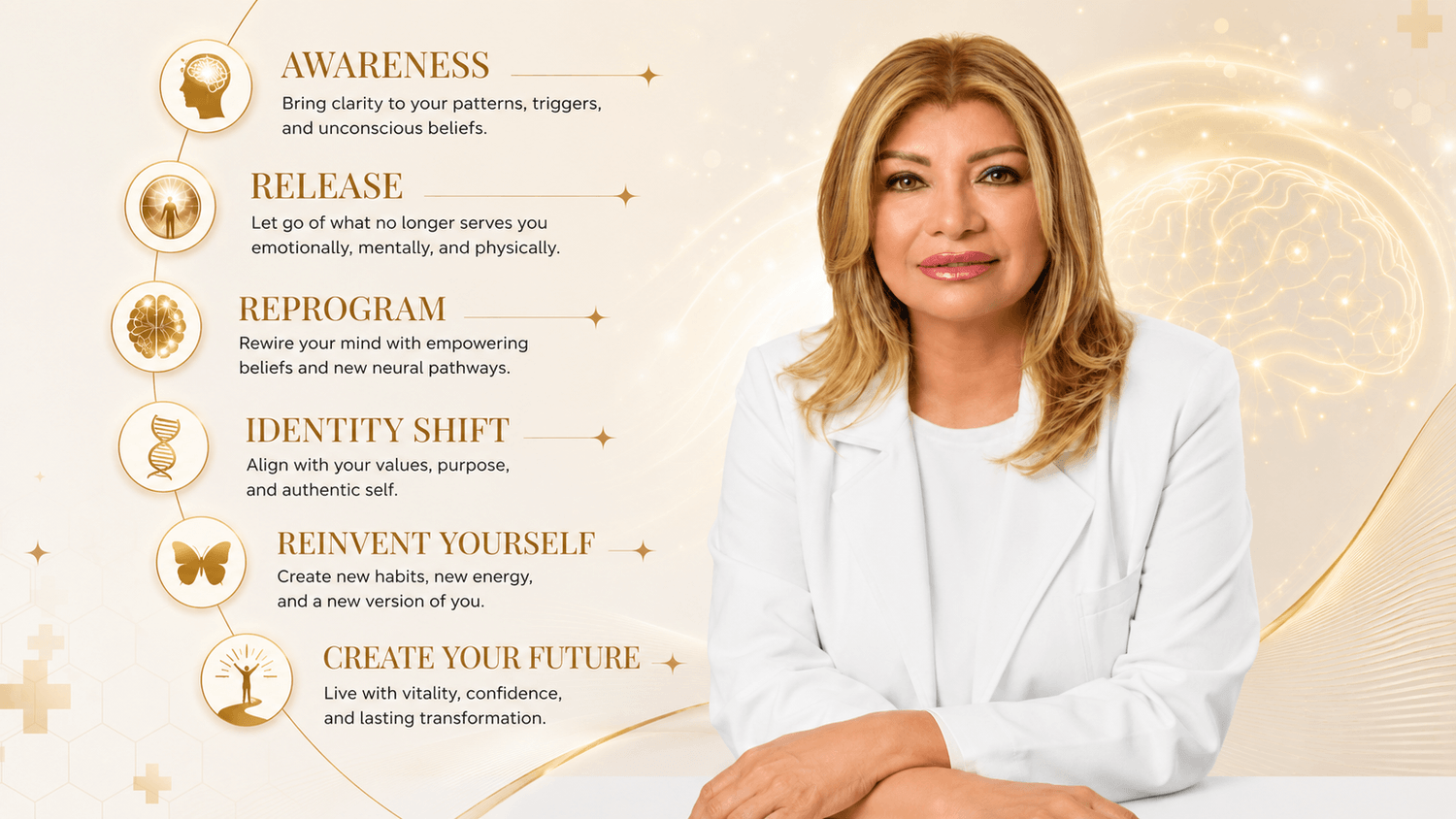
How the NeuroReinvent Method® supports relationships
The NeuroReinvent™ Method supports you in exploring the emotional patterns, beliefs, expectations and identity dynamics that can influence the way you experience and communicate within your relationships.
Rather than focusing only on what is happening on the surface, the approach encourages deeper awareness:
What am I feeling? What am I expecting? What patterns am I repeating? What have I learned about love, intimacy and connection?
By becoming more conscious of these patterns, you can begin to understand yourself more deeply, communicate more honestly and create healthier ways of relating — both to yourself and to the people you love.a
Relationship reinvention begins with awareness
Sometimes transforming a relationship doesn't begin with changing your partner.
It begins with understanding yourself.
The NeuroReinvent™ Method invites you to explore the relationship patterns you may have developed over time, recognise what no longer serves you and consciously choose how you want to show up in your relationships.
Because relationships evolve — and so do we.
The goal isn't simply to return to how things used to be. It's to consciously create a relationship that reflects who you are becoming.
Begin Your NeuroReinvent Journey,
If this article resonates with you, you may be recognising patterns that go deeper than the symptoms themselves.
The NeuroReinvent Method® helps you with:
Depression & Anxiety
Unlock your Prosperity
Unhealed Grief
Renew your Love Life
Overcome Fear
Mental Clarity
Stress & Burnout
Emotional Time Machine
Break Free from Chronic Pain
Dream Therapy
Unlock your Self-Esteem & Confidence


IF THE KISS HAS DISAPPEARED, DON’T IMMEDIATELY ASSUME THE LOVE HAS DISAPPEARED. BUT DON’T IGNORE THE SIGNAL EITHER.
GET CURIOUS.
START TALKING.
START LISTENING.
START RECONNECTING.
SOMETIMES THE SMALLEST GESTURE CAN OPEN
THE DOOR TO A MUCH BIGGER CONVERSATION
Written by Nidya Caro
Founder of the NeuroReinvent Method®
Nidya Caro specialises in neuroscience-based transformation, NLP, Biodecoding and subconscious reprogramming, helping individuals understand and transform the emotional and neurological patterns that influence their lives.
Ready to start changing your Life?
Reprogram Your Mind.
Heal Emotional Blocks.
Reinvent Your Identity.
Transform Your Future.
Trust that you’re in the right place. I regularly offer 30-minute Mental Clarity sessions with no commitment. Limited spots available.
Subscribe & Get Your
Free E-Book
Get your Free Ebook: 12 Proven Neuroscience Tips to Break the Cycle of Procrastination — and start transforming your habits, sharpening your focus, and creating the life you truly desire. Instant Download.